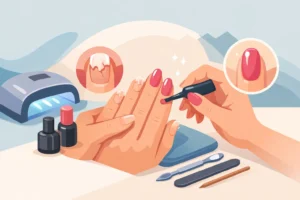
If your nails bend when you open a soda can, peel after a shower, or snap the second they get a little length, choosing the best manicure for weak nails is less about trends and more about protection. The wrong service can leave thin nails feeling even more fragile. The right one can help you look polished while giving your natural nails a better chance to recover.
Weak nails are not all the same, and that is where a lot of people get frustrated. Some nails are naturally soft and flexible. Others become weak from overfiling, picking, frequent polish changes, dry cuticles, or back-to-back enhancements with no maintenance in between. A manicure that works beautifully for one person might feel too heavy, too drying, or too high-maintenance for someone else.
What is the best manicure for weak nails?
For most people, the best manicure for weak nails is a gentle, protective service that adds light structure without aggressive filing or harsh removal. In real salon terms, that usually means a basic manicure with strengthening polish, a carefully applied gel manicure on healthy enough nails, or a builder-style overlay when nails need extra support.
The key is balance. You want enough reinforcement to prevent bending and splitting, but not so much bulk or removal stress that your natural nail ends up worse off. That is why there is no one-size-fits-all answer. Nail condition, lifestyle, and how often you maintain your manicure all matter.
Why weak nails need a different approach
When nails are weak, the manicure itself is only part of the equation. Prep, product choice, and removal have an outsized impact. A service can look beautiful on day one, but if it requires heavy buffing, strong drilling, or peeling product off at home, weak nails often pay the price later.
That is also why many clients assume their nails are damaged by every enhancement, when the bigger issue is often poor upkeep. Picking at gel, stretching fills too long, or skipping cuticle care can make any service feel harder on the nails. Healthy-looking results usually come from a consistent routine, not just a single appointment.
Best manicure options for weak nails
Classic manicure with strengthening polish
If your nails are peeling, recently thinned out, or feel tender, a classic manicure is often the gentlest place to start. This service keeps things simple: nail shaping, cuticle care, light buffing if needed, and regular polish or a strengthening treatment.
This option is ideal when your nails need a break from heavier coatings. It does not give the longest wear, and it will not magically make soft nails hard overnight, but it reduces stress on the nail plate. For clients who want a clean, polished look and are willing to come in more often for maintenance, it can be a smart reset.
Gel manicure for mild weakness
A gel manicure can be a good choice for weak nails if the nails are not severely damaged and the application is done carefully. Gel adds a bit more structure than regular polish, which helps reduce bending and everyday chipping. It also keeps color glossy and tidy for longer, which busy professionals and moms tend to appreciate.
The trade-off is removal. If gel is peeled off or filed too aggressively, weak nails can quickly become weaker. Gel works best when you are committed to proper salon removal and regular appointments instead of trying to stretch it far past its wear time.
Builder gel or structured overlay
For many people with weak nails, this is the sweet spot. A builder gel or structured overlay adds more support than standard gel polish, helping protect nails that split or flex too much. It creates a stronger surface while still allowing a more natural look and feel than some heavier enhancements.
This option is especially helpful if your natural nails can grow but cannot stay intact long enough to hold that growth. The extra structure can prevent breakage at the stress points. It does require skill and proper maintenance, so the result depends a lot on the quality of the application.
Dip powder – good for some, too rigid for others
Dip powder is often considered by clients who want durability, and it can work for weak nails in some cases. It creates a firmer coating that resists chips and can help protect nails from daily wear.
Still, it is not automatically the best fit. On very thin or brittle nails, a rigid coating can sometimes feel uncomfortable or lead to cracking if the natural nail flexes underneath. Removal technique also matters. If your nails are already compromised, dip may be better as a later option once the nail plate is in better shape.
Acrylics and extensions – usually not first choice for recovery
If your main goal is helping weak nails recover, acrylic full sets or extensions are usually not the first recommendation. They can absolutely create beautiful results, and they are a great option for clients who want dramatic length or a specific design look. But for weak natural nails, the extra prep, structure, and maintenance can be more than the nail needs right now.
That does not mean acrylic is always off the table. If a client wants length for an event or prefers a long-wear enhancement, an experienced technician can help determine whether the nails are strong enough and what shape and length will be most manageable. But for true nail rehab, gentler support tends to make more sense.
How to choose the right manicure for your nail type
If your nails are soft and bendy, light structure usually helps. Gel or a builder overlay can reduce flexing and help nails hold shape. If your nails are dry, peeling, and flaky, a classic manicure with strengthening care may be the better first move until the layers settle down.
If you use your hands constantly – typing, cleaning, childcare, food service, or frequent handwashing – durability matters more. In that case, regular polish may feel too short-lived, even if it is the gentlest option. A carefully maintained gel or structured manicure often gives a better balance between beauty and protection.
If you love long nails, be honest about what your natural nails can handle. Weak nails usually do better with short to medium length and softer shapes like round or squoval. A dramatic coffin or stiletto shape can look stunning, but it puts more pressure on already fragile nails.
What makes a weak-nail manicure safer
A safer manicure for weak nails starts before color ever goes on. Gentle prep matters. Minimal buffing matters. So does cuticle care that cleans up the nail plate without overworking the surrounding skin.
Product choice matters too. Lightweight support is often better than maximum hardness. Weak nails do not always need the toughest product in the salon. They need the right one, applied with care and removed the same way.
At LV Nail & Spa, that personalized approach is what helps clients get polished results without feeling like every manicure is a gamble. When the service matches the condition of the nail, the outcome is usually prettier and more comfortable.
Habits that help weak nails between appointments
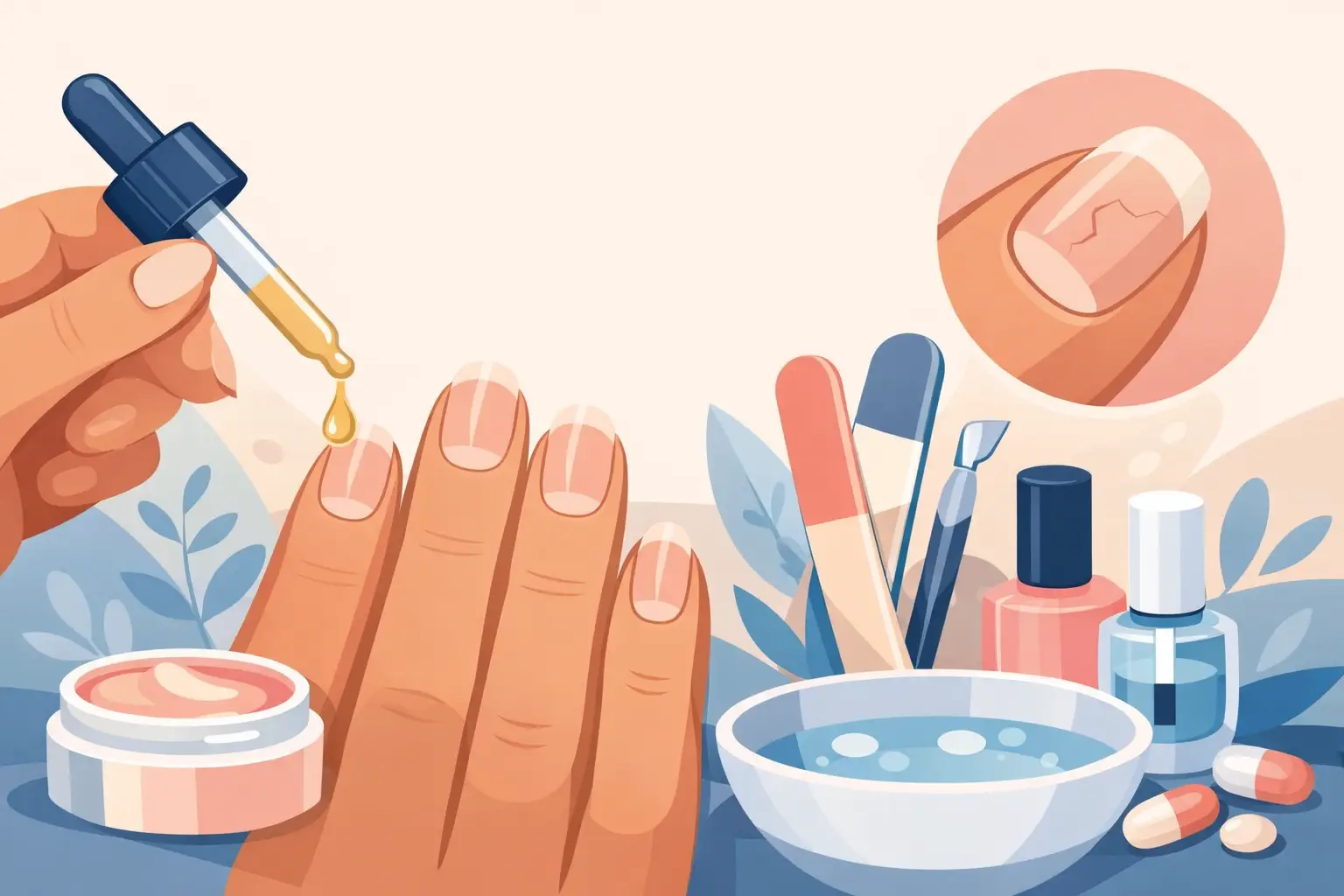
Even the best manicure for weak nails can only do so much if your at-home habits are working against it. Cuticle oil makes a real difference because it keeps the nail plate and surrounding skin from drying out and becoming more brittle. Hand cream matters too, especially if you wash your hands often or use sanitizers throughout the day.
Try not to use your nails as tools. Prying open packages, scraping labels, and popping can tabs with your fingertips puts direct pressure on weak nails. Wearing gloves for dishes and cleaning also helps more than people expect.
And if there is one habit worth breaking, it is picking. Picking at lifted gel, peeling polish, or biting corners removes layers of the natural nail along with the product. That single habit can undo weeks of good care.
When to pause manicures and focus on nail health
Sometimes the best choice is not a stronger manicure. It is a simpler one. If your nails feel sore, look extremely thin, or show visible ridges and peeling after repeated services, scaling back for a few appointments can help.
That does not mean walking around with bare, ragged nails. A tidy classic manicure, nourishing care, and shorter length can still keep your hands looking polished while your nails regain some strength. Beauty and recovery do not have to be separate goals.
The best manicure for weak nails is the one that supports your nails where they are right now, not where you wish they were. Some clients need a protective overlay. Others need a gentle reset and a little patience. When you choose a service based on nail condition instead of just wear time, your manicure tends to last better, look better, and feel better too.
If your nails have been through a rough stretch, start with support, not stress. A polished look should never come at the cost of making your natural nails more fragile.